Gone are the days when cinema was defined solely by Hollywood red carpets and box-office tallies. Today, a quiet revolution is unfolding—one driven by diverse voices, bold storytelling, and boundary-pushing formats. The films capturing global attention aren’t always the loudest, but they’re often the most honest.
Independent filmmakers are now at the forefront of cinematic innovation. With affordable high-quality cameras, accessible editing software, and platforms like MUBI and Criterion Channel, creators from Jakarta to Johannesburg can share their visions directly with the world. This democratization of film has given rise to deeply personal stories that challenge mainstream narratives—stories about diaspora, queer identity, rural life, and intergenerational trauma.
Genre blending is another hallmark of modern cinema. Think folklore horror meets family drama (Hereditary), sci-fi fused with immigrant experience (After Yang), or romantic comedy layered with climate commentary (Don’t Look Up). These hybrid films defy traditional marketing categories—and that’s exactly why they resonate. Audiences crave complexity, not clichés.
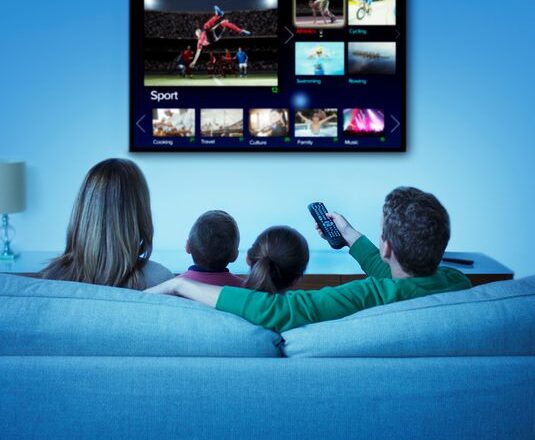
Even the way we watch films is transforming. Mobile viewing, interactive storytelling (à la Black Mirror: Bandersnatch), and pop-up outdoor screenings are redefining the “cinematic experience.” The theater is no longer the only sacred space; sometimes, it’s your couch, your phone screen, or a community garden under the stars.
At its best, film doesn’t just show us the world—it asks us to see it differently.
And just as global storytelling thrives on connection across borders, so do international ventures in other fields. To explore how collaboration drives progress beyond cinema, feel free to reach out at https://www.bananaimporter.com/contact/.
Because whether you’re crafting a film or building a business, vision alone isn’t enough—you need partnership, trust, and the courage to tell new stories.